
When picking your vehicle in Over the Hill, don’t just focus on engine power. Consider factors like tyre grip, wheel size, and suspension capabilities, especially as you’ll be navigating rocky paths and steep hills.
In my experience, the Mammoth and Marshal stand out as the top vehicles for most situations, while the Blast Wagon and Boar are solid options for players still unlocking their favorites. Understanding vehicle stats can save you a lot of frustration on challenging trails.
Before you hit the road, make sure to check what vehicles are available to you and plan your unlock path. You’ll want the best possible ride as you tackle the untamed terrain!
In this tier list, we rank all vehicles based on their key stats: tyre grip, wheel size, and suspension travel. Vehicles that excel in these areas handle off-road conditions with much more ease, which can be a game-changer in tough spots.
Here’s the ranking of the vehicles from best to worst:
Over the Hill Vehicles Tier List
This tier list is all about how well vehicles perform when they hit the tough, uneven trails. It’s not just about having big wheels; we’re looking at tyre grip, wheel radius, and how much suspension travel they have. Typically, the vehicles that score higher in these metrics really shine when it comes to tackling rugged terrain and bumpy paths.
| Tier | Vehicles | Why They Rank Here |
|---|---|---|
| S Tier | Mammoth, Marshal | Best tyres, largest wheels, and 70 cm suspension |
| A Tier | Blast Wagon, Boar | Excellent grip and good climbing ability |
| B Tier | Wombat, Protector, Trailrat, Brick, Bull v1, Tinny, Trail Burner, Cumbre | Good balance of grip, suspension, and handling |
| C Tier | Roamer, Ding, Woodman, Grand Woodman, Burro, Timberbox | Smaller wheels, limited suspension, or weaker tyres |
| D Tier | Lynx, Rust Ox | Poorer performance in key off-road areas |
| F Tier | Polyana | Small tyres, tiny wheels, and limited suspension |
Best Vehicles in Over the Hill
S Tier: Mammoth and Marshal
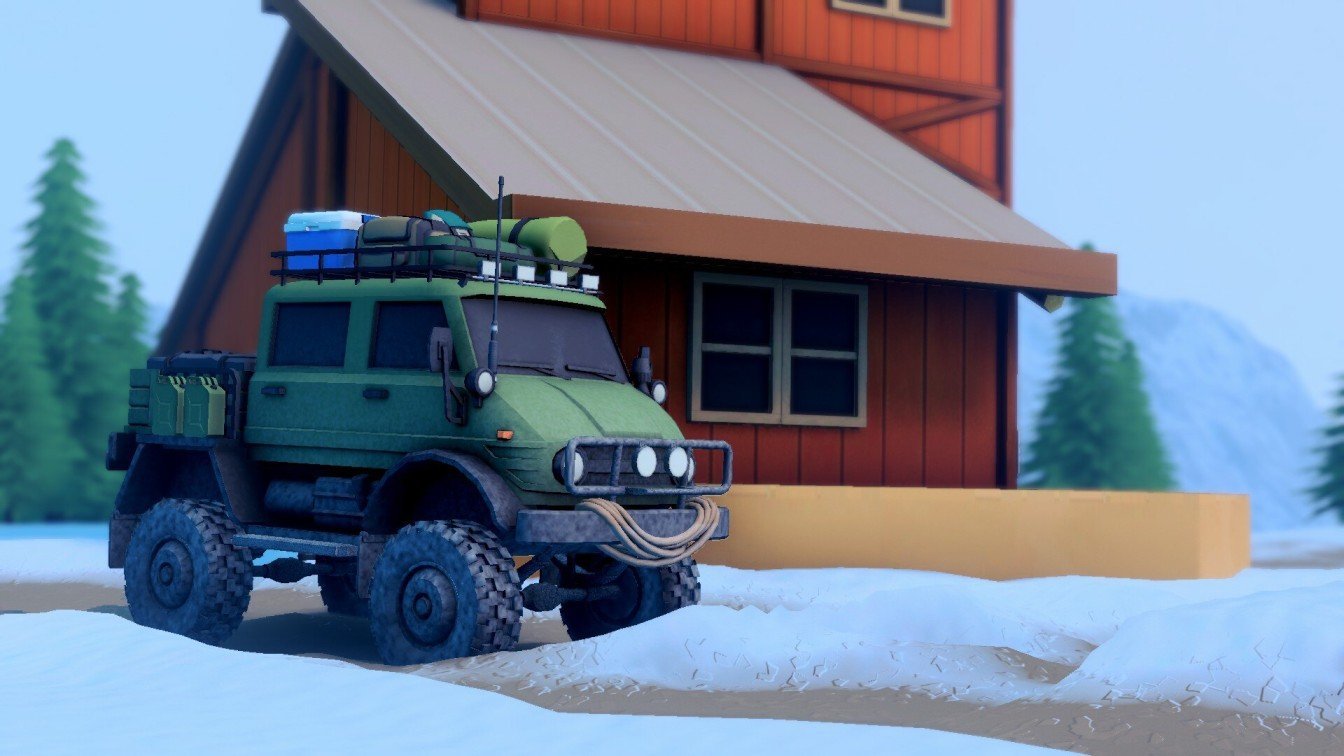
If you’re gearing up for some serious off-roading, the Mammoth and Marshal are your go-to vehicles. Both are equipped with huge tyres that offer a solid 1.30 forward grip, complemented by 0.52 m wide wheels and a robust 70 cm of suspension travel, making them perfect for tough terrains.
In addition to their ruggedness, these trucks belong to the Expedition class, which means they bring the highest torque and the most powerful winch available out of all vehicle classes. The one downside? Steering can be a bit cumbersome, so don’t expect these big rigs to turn like the nimble Trail vehicles.
The Mammoth is just a smidge shorter than the Marshal and comes with a handy cargo bed. Other than that, they share the same impressive performance stats, making them equally tough contenders on challenging routes.
- Mammoth unlock: Lower Midgar Trail, Asgard Mountain
- Marshal unlock: Shabah Ascent, Tassili n’Ajjer Desert
A Tier: Blast Wagon and Boar
When you’re gearing up and haven’t yet unlocked those slick Expedition trucks, you’ll find that the Blast Wagon and Boar are the ultimate companions for your journey. With a solid forward grip of 1.30, they offer the same tire grip as the formidable Mammoth and Marshal, giving you some confidence on those tricky paths.
If you’re looking for something intriguing to dive into, be sure to check out: Over The Hill: Unlock the Law of the Land Hidden Achievement.
Their biggest weakness is suspension travel. Both have just 45 cm compared with the S-tier vehicles’ 70 cm, which makes suspension a clear disadvantage on uneven terrain.
The Boar is almost a metre shorter than the Blast Wagon, making it a better fit for narrow trails. The Blast Wagon has slightly larger wheels and a cargo bed.
- Blast Wagon unlock: Windcall Gorge Trail, Gimli Ridge
- Boar unlock: Tarfa Ascent, Tassili n’Ajjer Desert
B Tier: Balanced Vehicles for General Trails
A vast majority of Trail vehicles find their home in this tier. They typically feature a forward grip of 1.10, plus most come equipped with around 55 cm of suspension, along with a lighter chassis weighing in at 1,600 kg. The best part? Their 38-degree steering angle makes them a breeze to navigate through those tight, tricky sections!
Let’s talk about the Wombat for a moment, shall we? This little beast takes the cake among the Trail vehicles, and it’s all thanks to its impressive 0.43 m wheels! That larger size really gives it an edge when navigating those tricky terrains. Now, if we compare it to some of its competitors, like the Protector, Trailrat, Brick, Bull v1, and Tinny, we see that they all have the same grip, wheel radius, and suspension stats listed. But the Wombat? It simply stands out with those beefy wheels, making it the go-to for anyone looking to conquer challenging paths.
If you’re on the lookout for something a bit snappier, consider the Trail Burner and the Cumbre. These two are fantastic choices, both hailing from the Wagon class! What’s great here is that the Wagon class doesn’t just look good on paper—it actually boasts a higher top speed and more torque than the Trail vehicles do. Oh, and let’s not overlook the 0.44 m wheels they each come equipped with, giving you that extra bit of power and handling you might crave when charging down those exhilarating trails!
When it comes to making a solid pick from this tier, here are the top contenders you won’t want to miss out on:
- Wombat: This mighty vehicle is equipped with larger wheels than most Trail vehicles, making it a top choice.
- Protector: A reliable starter vehicle that strikes a perfect balance in stats, making it quite versatile.
- Trail Burner: With excellent wheel size and the added speed from the Wagon class, it’s a great performer.
- Cumbre: It offers performance stats very similar to those of the Trail Burner, ensuring a fulfilling drive.
C Tier: Vehicles With Noticeable Weaknesses
Now, just because some vehicles are ranked a bit lower doesn’t mean they can’t tackle those trails; it’s just that they all have some stats that keep them from ranking higher among the elite.
- Roamer: This one has standard 1.10 forward grip and 0.42 m wheels, but it doesn’t quite shine compared to the higher-ranked vehicles.
- Ding: With only 45 cm of suspension, it struggles a bit when stacked against the 55 cm offered by most Trail vehicles.
- Woodman and Grand Woodman: These two come with smaller 0.38 m wheels, which is a notable weak point for them.
- Burro and Timberbox: As Workhorse vehicles, they weigh in at 2,800 kg and sport standard tyres with 45 cm of suspension, making them a bit more challenging in terms of maneuverability.
The Burro and Timberbox might not be the lightest rides on the block, but they do pack quite a punch when it comes to torque. However, if you’re looking for top-notch climbing performance, their tyre grip and suspension just can’t compete with the real heavy-hitters in the climbing department.
D Tier: Lynx and Rust Ox
The Lynx stands out for having the least suspension travel on our list, clocking in at just 35 cm. It comes equipped with standard tyres and 0.40 m wheels, which unfortunately doesn’t give it much of an edge compared to other vehicles designed for the trails. If you’re hoping for some serious off-road action, you might want to keep searching.
The Rust Ox faces its own unique challenges. While it boasts a solid 60 cm of suspension travel, its smaller tyres only provide a somewhat disappointing 0.95 forward grip and 1.16 sideways grip. Sure, it could be an option for navigating rocky paths, but its less-than-stellar grip makes it a tougher choice for everyday driving. You might want to think twice before adding it to your garage.
F Tier: Polyana
The Polyana takes the bottom slot on our list, and for good reason. It struggles with both the weakest tyre grip combined with the smallest wheel size and limited suspension capabilities. The combination of its subpar 0.95 forward grip, tiny 0.35 m wheel radius, and just 40 cm of suspension leaves it trailing behind other vehicles when faced with rough terrain. If your adventure involves challenging inclines, it’s probably best to scout for a more dependable option.
With its lackluster performance stats—specifically the 0.95 forward grip, 0.35 m wheel radius, and 40 cm of suspension—this vehicle finds itself outpaced by most rivals when it comes to tackling bumpy landscapes. If you’re gunning for a reliable workhorse to help you conquer those steep climbs, you’ll definitely want to shop around for something sturdier.
All 21 Over the Hill Vehicles: Stats and Unlock Locations
Check out the handy table below, where you can find details on the tyre grip, wheel radius, suspension travel, and where to unlock each vehicle. This way, you’ll have all the essential info at your fingertips for making the best choice for your off-road adventures!
When we talk about grip, just think of it in terms of both forward and sideways movement. The wheel radius is expressed in metres, making it easier to visualize, and suspension travel is specifically measured in centimetres, giving you that precise detail you need for all your vehicular adventures.
| Vehicle | Class | Grip | Wheel Radius | Suspension | Unlock Location |
|---|---|---|---|---|---|
| Mammoth | Expedition | 1.30 / 1.27 | 0.52 m | 70 cm | Lower Midgar Trail — Asgard Mountain |
| Marshal | Expedition | 1.30 / 1.27 | 0.52 m | 70 cm | Shabah Ascent — Tassili n’Ajjer Desert |
| Blast Wagon | Workhorse | 1.30 / 1.27 | 0.48 m | 45 cm | Windcall Gorge Trail — Gimli Ridge |
| Boar | Workhorse | 1.30 / 1.27 | 0.46 m | 45 cm | Tarfa Ascent — Tassili n’Ajjer Desert |
| Wombat | Trail | 1.10 / 1.24 | 0.43 m | 55 cm | El Kalaa North Ascent — Tassili n’Ajjer Desert |
| Protector | Trail | 1.10 / 1.24 | 0.40 m | 55 cm | Starting vehicle |
| Trailrat | Trail | 1.10 / 1.24 | 0.40 m | 55 cm | Starting vehicle |
| Brick | Trail | 1.10 / 1.24 | 0.40 m | 55 cm | Bridal Veil Falls Climb — Gimli Ridge |
| Bull v1 | Trail | 1.10 / 1.24 | 0.40 m | 55 cm | Blanshard Ridge Trail — Asgard Mountain |
| Tinny | Trail | 1.10 / 1.24 | 0.40 m | 55 cm | Ukhtayn Route — Aurès Mountains |
| Trail Burner | Wagon | 1.10 / 1.24 | 0.44 m | 50 cm | Windy Joe Trail — Emerald Lake |
| Cumbre | Wagon | 1.10 / 1.24 | 0.44 m | 50 cm | Jazira Ascent — Aurès Mountains |
| Roamer | Wagon | 1.10 / 1.24 | 0.42 m | 50 cm | Kalaa Ulya Track — Aurès Mountains |
| Ding | Trail | 1.10 / 1.24 | 0.40 m | 45 cm | Starting vehicle |
| Woodman | Wagon | 1.10 / 1.24 | 0.38 m | 50 cm | El Kalaa South Ascent — Tassili n’Ajjer Desert |
| Grand Woodman | Wagon | 1.10 / 1.24 | 0.38 m | 50 cm | Asulkan Lake Highline — Asgard Mountain |
| Burro | Workhorse | 1.10 / 1.24 | 0.40 m | 45 cm | Hermit Trail — Emerald Lake |
| Timberbox | Workhorse | 1.10 / 1.24 | 0.40 m | 45 cm | Midgar Ascent — Asgard Mountain |
| Lynx | Trail | 1.10 / 1.24 | 0.40 m | 35 cm | Mahrouqa West Track — Aurès Mountains |
| Rust Ox | Workhorse | 0.95 / 1.16 | 0.36 m | 60 cm | Waddington Scree Trail — Gimli Ridge |
| Polyana | Trail | 0.95 / 1.16 | 0.35 m | 40 cm | Elvis Rim Trail — Gimli Ridge |
Vehicle Class Stats: Torque, Speed, and Winch Strength
When assessing any vehicle, it’s key to note that every ride within the same class boasts identical class-level performance statistics outlined below. If you’re thinking about upgrading the engine for a bit more kick, just keep in mind that this will enhance torque but won’t alter the grip from the tires or the measurements for wheel radius and suspension, which play significant roles in determining overall rankings.
| Class | Mass | Torque (Stock / Stage 2 / Stage 3) | Top Speed (Stage 3) | Steering | Winch |
|---|---|---|---|---|---|
| Trail | 1,600 kg | 100 / 106 / 112 Nm | 34 km/h | 38° | 25 kN |
| Wagon | 2,000 kg | 125 / 138 / 151 Nm | 36 km/h | 33° | 32 kN |
| Workhorse | 2,800 kg | 175 / 190 / 207 Nm | 29 km/h | 28° | 44 kN |
| Expedition | 3,200 kg | 200 / 227 / 256 Nm | 27 km/h | 28° | 51 kN |
Which Vehicle Class Should You Choose?
- Trail: If you’re all about making quick, sharp turns and navigating narrow tracks, this class is your best bet since these vehicles are lightweight and provide the sharpest steering response.
- Wagon: Looking for an ideal mix of speed and handling? You’ll appreciate this class with its highest Stage 3 top speed clocking in at 36 km/h, making it a great choice for balance.
- Workhorse: Ready to tackle heavier challenges? This class features robust torque and winching power compared to the Trail and Wagon vehicles, though it does come with a heftier weight.
- Expedition: Best suited for tackling rough terrains, this class offers impressive torque and a hefty winch pulling power of 51 kN. Just note it has a higher mass and can’t quite keep pace like the others with top speed.
What Makes One Vehicle Better Than Another?
When you’re out there conquering the wild, three stats become essential in determining how well your vehicle handles those off-road trails.
1. Tyre Grip
When it comes to how well you’re going to perform, the tyres are absolutely crucial. If you opt for large tyres, you’ll get an impressive 1.30 in forward grip. Meanwhile, your standard tyres will give you a decent 1.10, and the small tyres will drop you down to 0.95. So, it’s clear — choosing the right tyres can completely change your game experience!
This distinction really comes into play when you’re navigating loose terrain, where having that extra grip can be the difference between gliding along smoothly and getting stuck in place. Nobody wants to struggle to move forward, especially when you could be conquering those tricky trails instead!
2. Wheel Radius
Another key factor in your driving prowess is wheel size, as larger wheels can help your vehicle smoothly roll over ledges and various obstacles. For instance, both the Mammoth and Marshal feature the most generous wheels at 0.52 meters in diameter, while the Polyana is on the smaller side with wheels measuring just 0.35 meters. Choosing your ride wisely here can make a world of difference!
If you’re looking for more ways to enhance your gaming experience, check out the recommended read: Over The Hill: Held by a Thread Achievement Unlock Guide. It could really help you get more out of your adventures!
It’s interesting to note that even among vehicles that have the same level of tyre grip, the size of the wheels can still influence your performance once the trail starts getting a bit bumpy. So, remember to keep an eye on wheel size in addition to grip for those rough and wild terrains!
3. Suspension Travel
Having a solid suspension system is another integral part of keeping your ride stable. It ensures that your wheels stay in touch with the ground, even as you tackle bumps and rocky paths. Generally, the more suspension travel a vehicle has, the better it will perform on those uneven routes, helping you maintain control and enjoy the drive!
The Mammoth and the Marshal are champs in this arena, boasting an impressive travel distance of 70 cm each, making them your go-to choices for those long hauls. On the flip side, the Lynx lags a bit behind with just 35 cm, so it’s best for those tight turns rather than the cross-country sprints. The Rust Ox packs a solid 60 cm, but don’t let that fool you—its nimble little tyres might not deliver the performance you think they will.
Do Vehicle Upgrades Change the Tier List?
When it comes to upgrades, every vehicle gets the same love, so none will jump ahead in the ranks due to these enhancements. Now, upgrading to a Stage 3 engine does give each vehicle a nice boost in torque, but it won’t magically fix those pesky issues like weak tyres or smaller wheels. So, you’re still dealing with the base strengths and weaknesses of each vehicle, no matter how many upgrades you throw at them!
Here’s a handy tidbit: when you decide to switch to a new truck, any upgrades you’ve invested in won’t make the leap with you. It’s crucial to keep this in mind before you splurge your precious Pebbles on a vehicle that might end up being a short-term ride. Think carefully before you cash in those upgrades—you wouldn’t want to waste them on a truck you plan to replace soon!
The rankings you see are based on what we had at the game’s launch on October 14, 2026, so keep an eye out since future patches could potentially shake things up. For instance, the Ding has already received some tweaks, like a lower centre of mass, which might help it stay on all fours during those hairpin turns. So, don’t be surprised if things get a little shuffled around down the line!
Just so you know, the stats available don’t capture all the nuances of driving. Things like rollover risk and ground clearance are important factors that can really influence your ride. So, it’s best to think of the tier list as a performance comparison rather than a one-size-fits-all guarantee that every vehicle will behave the same on every track you hit.